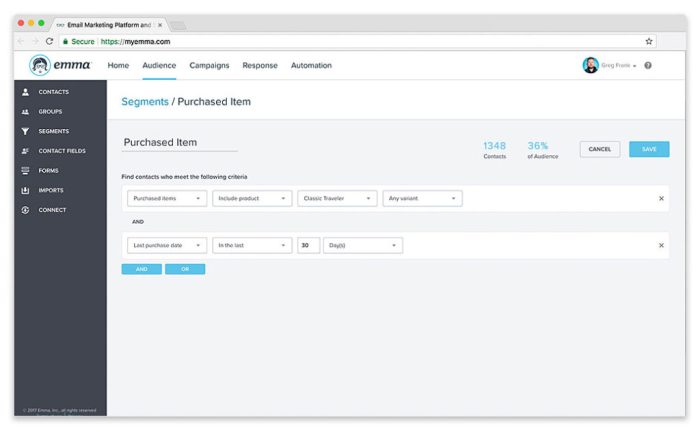
Mailing list segmentation is a powerful tool that can elevate any real estate marketing strategy. By dividing your audience into specific groups, you can tailor your messages to resonate with each unique segment, leading to higher engagement and conversion rates. Whether you’re targeting first-time homebuyers or seasoned investors, understanding the nuances of your audience is key to crafting effective communication that drives results.
In the realm of real estate, where every lead counts, employing effective segmentation strategies becomes essential. From organizing your lists based on demographics to analyzing the effectiveness of your messaging, this approach helps real estate agents connect with their audience on a more personal level, ultimately ensuring that no potential client is overlooked.
Importance of Mailing List Segmentation in Real Estate Marketing
Mailing list segmentation is a crucial strategy for real estate agents looking to enhance their marketing efforts. By dividing a larger audience into smaller, more targeted groups, agents can tailor their messages to better meet the specific needs and interests of each segment. This approach not only increases engagement but also enhances overall marketing effectiveness, leading to higher conversion rates.Segmenting mailing lists enables real estate agents to directly address the unique characteristics of various buyer personas, thereby increasing the relevance of their communications.
Different segments might include first-time homebuyers, luxury property seekers, or investors interested in rental opportunities. Each group has distinct needs and preferences, and by recognizing these differences, agents can craft personalized marketing campaigns that resonate more deeply.
Effective Segmentation Strategies for Real Estate Niches
Implementing effective segmentation strategies allows real estate agents to connect with potential clients in a more meaningful way. Below are some effective segmentation strategies tailored for different real estate niches:
- Geographic Segmentation: Agents can categorize their lists based on geographical boundaries. This is particularly effective in real estate where market conditions can vary significantly by location. For example, marketing a suburban family home to families in nearby schools would be more effective compared to targeting urban professionals.
- Demographic Segmentation: Understanding the demographic characteristics of potential buyers—such as age, income, and family status—can help agents tailor their messages. For instance, sending information about starter homes to young professionals or condos to retirees can yield better results.
- Behavioral Segmentation: Tracking the online behavior of leads can provide insights into their preferences. For instance, if a potential buyer frequently browses luxury homes, the agent can send tailored listings that include high-end properties, thus aligning with their interests.
- Life Stage Segmentation: Life changes such as marriage, having children, or retiring can trigger a need for new housing. Recognizing these stages allows agents to send targeted communications that reflect the evolving needs of their clients.
Methods to Analyze Effectiveness of Segmented Mailing Lists
To ensure that mailing list segmentation is yielding the desired results, it is essential to analyze the effectiveness of these efforts. Utilizing the following methods can provide valuable insights:
- A/B Testing: This involves sending two different versions of a campaign to different segments and analyzing which version performs better in terms of open rates, click-through rates, and conversions. This method helps refine future campaigns based on real data.
- Engagement Metrics: Regularly monitoring engagement metrics such as open rates, click rates, and response rates allows agents to gauge how well the segments are interacting with the content. High engagement indicates effective segmentation.
- Feedback Surveys: Soliciting feedback directly from clients can provide insights into their preferences and satisfaction levels. Agents can use this data to adjust their strategies and improve targeting.
- Conversion Tracking: By analyzing which segments are converting into clients, agents can identify the most valuable segments and focus their resources on these areas for better ROI.
Best Practices for Segmentation in Real Estate

Effective mailing list segmentation is crucial for real estate professionals aiming to enhance their marketing strategies. By tailoring communications to specific audience segments, agents can significantly increase engagement and conversion rates. Strategic segmentation allows for better alignment of property offerings with the distinct needs and preferences of potential clients, paving the way for more personalized and effective outreach.
Creating Targeted Mailing Lists for Various Real Estate Categories
To create effective targeted mailing lists, it is essential to categorize your audience based on real estate interests and behaviors. Consider the following categories for segmentation:
- First-Time Homebuyers: Tailor content that addresses common concerns such as financing options, buying processes, and neighborhood guides.
- Investors: Provide insights on market trends, ROI calculations, and investment opportunities in various property types.
- Luxury Buyers: Showcase high-end properties with exclusive features and neighborhood amenities that appeal to affluent clients.
- Commercial Real Estate Clients: Share information about investment opportunities, business growth strategies, and market analysis relevant to commercial properties.
- Renters: Focus on available rental properties, tips for prospective renters, and local market conditions.
By defining these segments, real estate agents can craft messaging that resonates more deeply with each group, leading to improved engagement rates.
Organizing and Maintaining Segmented Lists for Real Estate Professionals
Maintaining organized segmented lists is vital for effective communication and ongoing marketing efforts. Consider these practices to keep your mailing lists efficient:
- Regular Updates: Regularly review and update your mailing lists to reflect changes in client status, interests, and market conditions. This ensures your data remains relevant and accurate.
- Utilize CRM Tools: Leverage Customer Relationship Management (CRM) systems to automate segmentation, track interactions, and manage client relationships effectively.
- Tagging System: Implement a tagging system within your database to easily categorize clients based on their purchasing stage, interests, and demographic data.
- Feedback Loops: Encourage feedback from clients regarding their interests and preferences to refine your segmentation further and enhance your understanding of their needs.
An organized approach not only improves communication efficiency but also allows real estate professionals to respond quickly to market changes and client needs.
Utilizing Customer Data to Refine Mailing List Segmentation
Customer data is a powerful tool for refining your mailing list segmentation. Analyzing this data helps to identify trends and preferences, leading to more personalized marketing strategies. Key methods include:
- Behavioral Analysis: Monitor client behaviors, such as property searches, website visits, and email interactions, to gauge interests and preferences for more targeted outreach.
- Demographic Insights: Use demographic data, such as age, income, and family status, to tailor content and property recommendations that align with client profiles.
- Geographic Segmentation: Consider geographic data to send localized content about neighborhoods, market trends, and events relevant to specific locations.
- Past Interactions: Review past client interactions and feedback to adjust messaging and offers, ensuring they are relevant and timely.
Incorporating customer data into your segmentation strategy not only enhances precision but also builds a deeper connection with potential clients by addressing their specific needs and preferences.
Targeted Messaging for Different Real Estate Segments
In the ever-evolving landscape of real estate marketing, crafting targeted messages for distinct audience segments is crucial for enhancing engagement and driving conversions. Real estate agents must understand the unique needs and preferences of each segment to create compelling communications that resonate with their audience. By tailoring messages effectively, agents can foster stronger relationships and ultimately close more deals.
Messaging Strategies for First-time Homebuyers
When targeting first-time homebuyers, it’s essential to address their specific concerns and aspirations. This audience often seeks guidance and reassurance throughout the purchasing process. Key elements to include in communications are:
- Educational Content: Provide resources like e-books or webinars that explain the home buying journey, financing options, and common pitfalls to avoid.
- Personalized Outreach: Use their name and reference their specific interests or queries. A warm, approachable tone is vital.
- Success Stories: Share testimonials and case studies of previous first-time buyers who successfully navigated the process with your help.
Key Elements for Investors Interested in Commercial Property
Communicating with investors requires a more data-driven approach, focusing on ROI and market trends. When crafting messages for this segment, consider including:
- Market Analysis: Regularly provide insights into current market conditions, including vacancy rates and rental prices, to highlight potential investment opportunities.
- Financial Projections: Detail expected returns on investments, including cash flow analysis and potential tax benefits, to create a compelling case for investment.
- Unique Opportunities: Identify and promote unique commercial properties that may offer high returns, such as mixed-use developments or emerging neighborhoods.
Tailoring Content for Audiences Interested in Green Real Estate Initiatives
With the growing trend towards sustainability, crafting messages for audiences interested in green real estate is essential. These messages should reflect a commitment to eco-friendly practices while highlighting the benefits of sustainable living. Important aspects to address include:
- Eco-Friendly Features: Clearly Artikel the benefits of energy-efficient appliances, solar panels, and sustainable building materials in properties.
- Community Impact: Emphasize how green initiatives contribute to community well-being and environmental conservation, appealing to buyers’ values.
- Cost Savings: Provide data on how green features can lead to lower utility bills and long-term savings, enhancing the investment appeal.
Closing Summary
In conclusion, mastering mailing list segmentation offers real estate agents a competitive edge that can significantly enhance their marketing efforts. By implementing best practices and targeted messaging, agents can effectively reach the right audience with the right message at the right time. As the real estate landscape continues to evolve, those who adapt their marketing strategies through segmentation will undoubtedly see greater success and stronger relationships with their clients.
FAQ Insights
What is mailing list segmentation?
Mailing list segmentation is the process of dividing your email list into smaller, more manageable groups based on specific criteria such as demographics, interests, or behavior.
Why is segmentation important in real estate?
Segmentation allows real estate agents to tailor their messages to specific groups, improving engagement and increasing the likelihood of conversions.
How can I analyze the effectiveness of my segmented lists?
You can track metrics such as open rates, click-through rates, and conversion rates for each segment to evaluate their effectiveness.
What tools can help with mailing list segmentation?
Many email marketing platforms like Mailchimp, Constant Contact, and HubSpot offer built-in segmentation tools to help you manage your lists effectively.
How often should I update my segmented lists?
It’s a good practice to review and update your segmented lists regularly, ideally every few months, to ensure they reflect current data and trends.