Direct marketing for ecommerce opens a world of possibilities for businesses looking to connect with their customers on a deeper level. By harnessing techniques like targeted email campaigns and personalized recommendations, brands can significantly boost engagement and drive sales. This approach not only helps in retaining existing customers but also enhances the overall shopping experience with tailored interactions.
In this discussion, we will explore various direct marketing strategies specifically designed for ecommerce, from leveraging social media to building strong customer relationships through feedback and loyalty programs. Real estate applications will also be touched upon, showcasing how these methods can be adapted across different sectors.
Direct Marketing Strategies in E-commerce
In the dynamic landscape of e-commerce, employing effective direct marketing strategies is crucial for businesses aiming to enhance customer engagement and drive sales. This approach focuses on communicating directly with potential and current customers, fostering a sense of connection and personalization that can significantly influence purchasing decisions.
Targeted Email Campaigns for Increasing Customer Retention
Targeted email campaigns play a pivotal role in retaining customers by delivering tailored content that meets their specific needs and interests. Unlike generic emails, targeted campaigns use customer data to segment the audience, ensuring that each recipient receives relevant offers and information.
- Segmentation Strategies: Businesses can divide their email lists based on demographics, purchasing behavior, or engagement levels. For example, sending exclusive offers to repeat customers can reinforce loyalty.
- Timely Promotions: Sending emails during significant moments, such as birthdays or anniversaries, can create a personal touch. This strategy enhances customer satisfaction and encourages repeat business.
- A/B Testing: Experimenting with different subject lines, content formats, and send times allows businesses to identify what resonates best with their audience, thereby optimizing future campaigns.
Personalized Product Recommendations for Boosting Sales
Personalized product recommendations are a highly effective tactic in e-commerce that leverages customer data to suggest products that align with individual preferences. This strategy can significantly increase conversion rates and average order value.
- Data Utilization: By analyzing past purchase behavior and browsing history, businesses can present items that a customer is likely to buy. For instance, “Customers who viewed this item also bought…” has proven to drive additional sales.
- Real-time Recommendations: Implementing algorithms that update recommendations based on real-time data enhances the shopping experience. If a customer frequently buys outdoor gear, suggesting related items can lead to increased sales.
- Email Integration: Sending personalized emails featuring recommended products based on previous purchases can effectively capture customer interest and prompt them to return to the site.
Integrating Social Media Marketing with Direct Marketing Initiatives
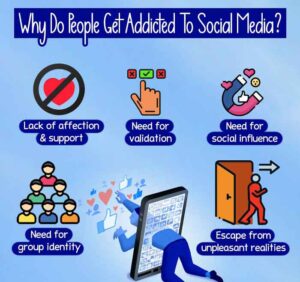
Integrating social media marketing with direct marketing initiatives allows businesses to create a cohesive strategy that enhances their reach and engagement. Social media platforms provide valuable insights and an additional channel for direct communication with customers.
- Social Listening: Monitoring brand mentions and customer feedback on social media can inform marketing strategies. This data helps tailor marketing messages to address customer concerns or highlight popular products.
- Targeted Advertising: Utilizing social media ads that align with existing email marketing campaigns can reinforce messaging and increase visibility. For example, retargeting ads can bring back users who showed interest in specific products.
- User-Generated Content: Encouraging customers to share their experiences on social media not only increases engagement but also provides authentic content that can be used in email campaigns, showcasing real-life testimonials and product usage.
“Direct marketing is about creating a two-way conversation with customers and providing them with value at every touchpoint.”
Building Customer Relationships through Direct Marketing
Direct marketing is more than just a way to sell products; it’s a powerful tool for cultivating long-term customer relationships. By leveraging direct marketing strategies, e-commerce businesses can engage customers on a personal level, fostering loyalty and trust. In today’s competitive landscape, understanding the dynamics of customer relationships can significantly impact brand success.The role of customer feedback in shaping direct marketing strategies is crucial.
By actively seeking and listening to customer opinions, brands can refine their messaging and offerings. Feedback helps businesses identify pain points, optimize user experiences, and develop products that resonate with their target audience. This responsiveness not only builds trust but also shows customers that their voices matter, thereby enhancing brand loyalty.
Importance of Loyalty Programs
Loyalty programs serve as a cornerstone for enhancing customer engagement and driving repeat purchases. These programs incentivize customers to return, offering rewards that lead to increased satisfaction and retention. Below are key aspects that illustrate the effectiveness of loyalty programs:
- Personalized Rewards: Tailoring rewards to individual preferences deepens customer engagement, as consumers feel valued and understood.
- Increased Purchase Frequency: Loyalty programs encourage customers to buy more often to reap rewards, creating a cycle of repeat business.
- Data Collection: Through loyalty programs, brands can gather valuable data, which can inform marketing strategies and improve customer segmentation.
- Community Building: Successful loyalty programs foster a sense of belonging among customers, making them feel part of a community tied to the brand.
Case Studies of Successful Brands
Several brands have successfully employed direct marketing strategies to foster strong customer relationships. Notable examples include:
- Starbucks: Their Rewards program encourages repeat visits and offers personalized promotions based on purchase history, enhancing loyalty and customer satisfaction.
- Amazon: With personalized email marketing and targeted product recommendations, Amazon effectively uses customer data to create a tailored shopping experience, resulting in increased customer retention.
- Sephora: The Beauty Insider program not only rewards purchases but also engages customers through exclusive events and personalized product suggestions, significantly enhancing customer loyalty.
By focusing on direct marketing strategies that prioritize customer feedback and loyalty programs, brands can cultivate enduring relationships that drive long-term success.
Real Estate Application of Direct Marketing Techniques
In the competitive world of real estate, effective direct marketing strategies can significantly enhance an agent’s ability to attract potential buyers and foster lasting relationships. Utilizing targeted communication, real estate professionals can create tailored marketing campaigns that resonate with specific audiences, leading to increased engagement and sales. This section explores how direct marketing techniques can be specifically applied within the real estate sector.
Utilizing Direct Marketing to Attract Potential Buyers
Real estate agents can harness direct marketing techniques to effectively reach potential buyers by focusing on personalized communication and tailored messaging. The following strategies can be implemented:
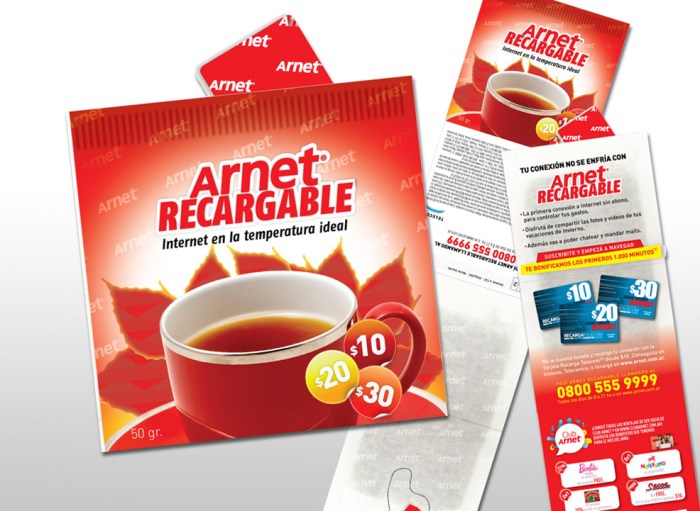
- Targeted Mail Campaigns: Sending personalized postcards or brochures that showcase new listings or open houses to specific neighborhoods or demographics can spark interest and drive foot traffic to properties.
- Locally Relevant Content: Creating content that highlights community features, local events, and property values can attract buyers interested in moving to the area.
- Referral Programs: Establishing a referral incentive program encourages satisfied clients to recommend the agent to friends and family, expanding the agent’s reach through trusted sources.
Role of Email Newsletters in Promoting New Commercial Properties
Email newsletters serve as an effective direct marketing tool for promoting new commercial properties. By regularly updating subscribers about the latest offerings, agents can maintain engagement and highlight key features of the properties. The importance of this approach can be illustrated through the following points:
- Segmenting Subscribers: By categorizing the email list based on the interests and needs of potential clients, agents can ensure that the information shared is relevant and appealing.
- Showcasing Property Features: Including high-quality images, detailed descriptions, and virtual tours in newsletters creates an immersive experience that can capture the interest of prospective buyers.
- Including Testimonials: Sharing success stories from previous clients can build trust and credibility, encouraging new prospects to consider the featured properties.
Implementing Direct Marketing in Home Staging Efforts
Home staging is a vital aspect of real estate sales, and direct marketing can amplify its effectiveness. By integrating direct marketing strategies into home staging efforts, realtors can better showcase properties and attract interest. Here are effective strategies for implementation:
- Before and After Visuals: Creating a portfolio that displays before and after images of staged homes can visually communicate the value of staging to potential sellers.
- Staging Workshops: Hosting workshops or webinars on home staging techniques can engage clients and position the realtor as a knowledgeable resource, while also generating leads.
- Personalized Staging Solutions: Offering customized staging plans based on the specific needs and styles of clients can enhance their experience and satisfaction, leading to word-of-mouth referrals.
Epilogue
In summary, direct marketing for ecommerce is an essential tool for any online business looking to thrive in a competitive landscape. By implementing targeted strategies and focusing on customer relationships, brands can create lasting connections that foster loyalty and drive sales. As we’ve seen, the potential for direct marketing is vast, offering unique approaches that can be tailored to meet the needs of any ecommerce venture.
Answers to Common Questions
What is direct marketing in ecommerce?
Direct marketing in ecommerce refers to promotional strategies aimed at directly reaching potential customers through channels like email, social media, and personalized advertisements.
How can I measure the effectiveness of my direct marketing campaigns?
You can measure effectiveness by tracking metrics such as open rates, click-through rates, conversion rates, and customer feedback.
What are some common mistakes in direct marketing for ecommerce?
Common mistakes include not segmenting your audience, failing to personalize content, and neglecting to analyze campaign performance.
How often should I send direct marketing emails?
It’s best to find a balance; generally, sending emails weekly or bi-weekly can keep your audience engaged without overwhelming them.
Can direct marketing work for small ecommerce businesses?
Absolutely! Direct marketing can be highly effective for small businesses as it allows for targeted outreach and cost-effective customer engagement.