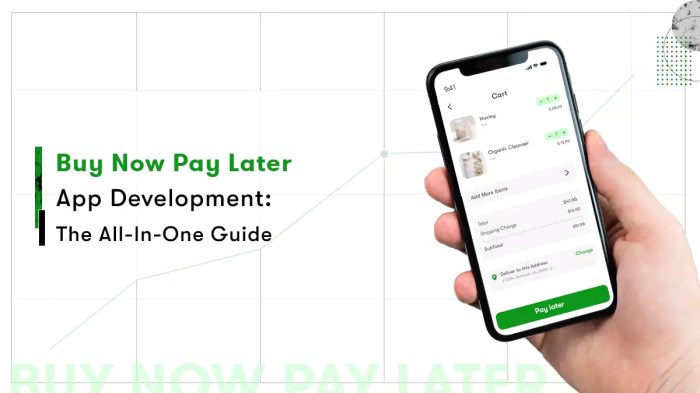
BNPL (Buy Now Pay Later) platforms are transforming the way consumers approach purchases, offering a flexible payment solution that allows immediate gratification without the upfront financial burden. With their rise in popularity, these platforms have become a hot topic among shoppers and financial experts alike, reshaping how we think about spending and budgeting.
This innovative financing method not only appeals to consumers looking for convenience and ease but also provides retailers an opportunity to boost sales and customer loyalty. As we explore the advantages and disadvantages of BNPL services, as well as their application in industries like real estate, it becomes clear that their impact is far-reaching.
BNPL Platforms Overview

The Buy Now Pay Later (BNPL) model has gained remarkable traction among consumers looking to manage their spending flexibly. It allows customers to make purchases immediately while spreading the payment over a specified period, typically without incurring interest if paid on time. This model has especially resonated with younger consumers who prioritize convenience and affordability in their shopping experiences.The rise in popularity of BNPL platforms can be attributed to several factors, including the increasing availability of online shopping, financial inclusion efforts, and a shift in consumer preferences towards immediate gratification.
However, while these services can enhance purchasing power, they also come with potential drawbacks. Users must carefully weigh the benefits against the risks of accruing debt and falling into a cycle of payments.
Advantages and Disadvantages of BNPL Services
Understanding the pros and cons of using BNPL services is essential for consumers considering these options. The advantages include:
- Immediate Access to Products: BNPL allows consumers to acquire items without upfront payment, enhancing their purchasing ability.
- Flexible Payment Terms: Most BNPL services offer various payment schedules, allowing customers to choose the terms that fit their financial situation.
- No Interest Charges: Many BNPL platforms do not charge interest if payments are made on time, making it a cost-effective alternative to credit cards.
However, there are notable disadvantages:
- Risk of Over-spending: The convenience of BNPL may lead to impulsive purchases and unmanageable debt.
- Potential Fees: Late payments can incur hefty fees, which may negate any savings from avoiding interest.
- Impact on Credit Score: Failure to repay on time can adversely affect the user’s credit score.
Key Players in the BNPL Market
The BNPL market is becoming increasingly competitive, with several key players offering unique features and services. Some of the leading BNPL platforms include:
- Afterpay: Known for its user-friendly interface and no interest charges, Afterpay allows customers to make four interest-free payments every two weeks.
- Klarna: Klarna offers various payment options, including a “Pay Later” service that allows customers to shop and pay within 14 or 30 days without upfront costs.
- Affirm: Affirm provides flexible payment plans ranging from three to 36 months, with transparent interest rates disclosed at the time of the purchase.
The offerings of these platforms cater to different consumer needs, highlighting the growing diversity in the BNPL space. Each service prioritizes user experience, ensuring that consumers have a seamless shopping experience while managing their finances responsibly.
BNPL in Real Estate Transactions
The integration of Buy Now Pay Later (BNPL) services into real estate transactions is an innovative approach that can transform how people finance their homes. By allowing buyers and renters to defer payments, BNPL platforms offer an attractive alternative to traditional mortgage options, making homeownership more accessible to a broader audience. This section examines how BNPL can be applied in real estate, the advantages it presents for customers, and the challenges that may arise in this context.
Integration of BNPL in Real Estate Purchases and Rentals
BNPL can be seamlessly integrated into real estate transactions, offering flexible payment solutions for both homebuyers and renters. Real estate developers and landlords can collaborate with BNPL providers to create tailored payment plans that suit the needs of prospective buyers and tenants.
One way BNPL can be applied is through deposit payments on rental properties. Instead of requiring tenants to pay a large upfront deposit, landlords could allow them to split the deposit into smaller installments, making it easier for renters to secure housing. Similarly, when purchasing a home, BNPL services can be structured to cover a percentage of the down payment, enabling buyers to stagger their financial commitments.
Advantages of utilizing BNPL services in real estate include:
- Increased Accessibility: BNPL lowers the barrier to entry for many potential homebuyers, making it possible for individuals with lower cash reserves to enter the housing market.
- Improved Cash Flow: Homebuyers and renters can manage their finances better, as they don’t need to part with a large sum upfront. This allows them to allocate funds toward other essential expenses.
- Flexibility in Payment Plans: BNPL providers typically offer customizable repayment options, which can be tailored to match an individual’s financial situation.
The implementation of BNPL, however, does not come without challenges. There are several risks and considerations real estate stakeholders should be aware of:
- Regulatory Compliance: Real estate transactions are heavily regulated, and integrating BNPL may require navigating complex legal considerations to ensure compliance with financial regulations.
- Default Risk: Lenders may face challenges if borrowers default on their BNPL payments, potentially leading to financial losses for the real estate entities involved.
- Market Acceptance: The concept of BNPL in real estate is relatively new; thus, educating consumers and gaining their trust in this model may take time.
Integrating BNPL into real estate can democratize homeownership, but it also requires careful risk management and regulatory oversight.
Future of BNPL and Real Estate
As the landscape of real estate continues to evolve, the integration of Buy Now Pay Later (BNPL) platforms is set to play a transformative role. The intersection of these innovative financing solutions and the real estate sector opens up new avenues for both buyers and agents, redefining how transactions are approached. This section delves into the emerging trends in the adoption of BNPL systems within the real estate market, showcasing their potential impacts and illustrating scenarios that highlight their significance.
Emerging Trends in BNPL Platforms for Real Estate
The integration of BNPL services in real estate transactions is rapidly gaining momentum, with several notable trends emerging:
- Increased Accessibility: BNPL platforms are enabling a broader demographic of buyers to enter the real estate market, particularly millennials and Gen Z who may face challenges with traditional financing methods.
- Shorter Payment Terms: Many BNPL services are introducing flexible payment plans, allowing buyers to distribute their financial commitments over shorter periods, which can facilitate quicker decisions on property purchases.
- Partnerships with Real Estate Developers: Partnerships are being forged between BNPL providers and real estate developers to offer seamless financing options at the point of sale, enhancing buyer confidence and satisfaction.
Emerging BNPL platforms are not only making real estate purchases more accessible but are also reshaping buyer expectations and behaviors.
Impact of BNPL on Real Estate Agents and Brokers
The introduction of BNPL services is also reshaping the role of real estate agents and brokers. With buyers now equipped with enhanced purchasing power, agents must adapt their strategies to accommodate this shift.For instance, consider a scenario where an agent lists a new residential development that incorporates BNPL financing options. The agent can actively promote these payment plans during showings and open houses, effectively attracting a wider pool of potential buyers.
This can lead to:
- Increased Sales Velocity: Properties equipped with BNPL options may sell faster, as buyers are more likely to commit when they have financial flexibility.
- Enhanced Client Relationships: Agents who provide comprehensive information about BNPL options can foster stronger relationships with clients, enhancing trust and open communication.
The ability to offer BNPL financing can become a unique selling proposition for agents, setting them apart in a competitive market.
Influence of BNPL on Commercial Property and Home Buying Patterns
The adoption of BNPL solutions is expected to significantly impact buying patterns in both commercial and residential real estate markets.In commercial property transactions, BNPL could facilitate small businesses’ access to prime locations without the burden of immediate full payment. For example, a startup could leverage BNPL to secure retail space, allowing them to allocate funds to inventory and marketing instead of tying up capital in upfront costs.Similarly, in residential home buying, BNPL might shift traditional patterns where buyers wait until they have sufficient savings for down payments.
Instead, they may opt for properties that allow for staggered payments, enabling them to move into homes sooner and invest in renovations or furnishings over time.
- Behavioral Shifts: BNPL will likely encourage buyers to consider properties they previously deemed unaffordable, leading to an increase in median home prices.
- Investment Opportunities: Investors may see BNPL as a way to diversify their portfolios, acquiring multiple properties with manageable payment plans.
The future of real estate will be increasingly influenced by the flexibility offered by BNPL, transforming traditional buying behaviors and investment strategies.
Final Conclusion
In summary, BNPL (Buy Now Pay Later) platforms present both exciting opportunities and potential challenges for consumers and businesses alike. As these services continue to evolve, understanding their implications on purchasing behaviors and market dynamics is essential for navigating the future of finance, especially in sectors such as real estate where they hold transformative potential.
FAQ Corner
What is a BNPL platform?
A BNPL platform allows consumers to make purchases and defer payments over time, typically without interest if paid within a specified period.
How does BNPL affect credit scores?
Using BNPL services can affect credit scores differently; some platforms report to credit bureaus while others do not, potentially impacting consumers’ credit histories.
Are there fees associated with BNPL services?
While many BNPL services are fee-free if payments are made on time, late payments can incur fees or interest charges.
Can BNPL be used for real estate purchases?
Yes, BNPL can be integrated into real estate transactions, offering innovative financing options for homebuyers and renters, although it comes with certain risks.
What should consumers consider before using BNPL?
Consumers should assess their financial situation, understand terms and conditions, and ensure they can manage payment schedules to avoid debt.