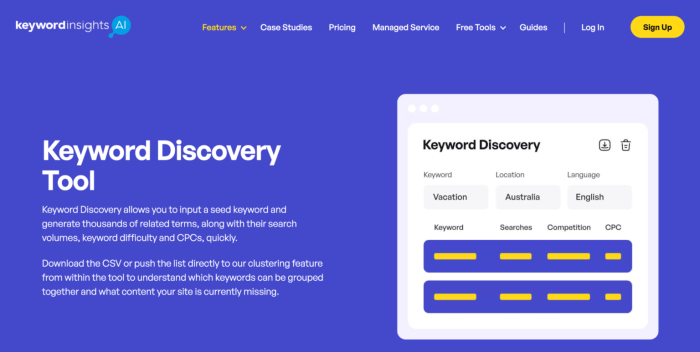
research AI tools are revolutionizing the way real estate professionals approach their marketing and content strategies. By harnessing advanced algorithms, these tools enable agents and realtors to identify high-impact s that attract potential clients and drive engagement. With the growing importance of digital presence in the real estate market, understanding how to effectively utilize these AI tools can make a significant difference in achieving success.
This discussion delves into the various applications of AI in real estate, exploring how these technologies optimize research, enhance property listings, and inform investment decisions. From analyzing market trends to aiding in targeted marketing strategies, the role of AI is becoming increasingly vital in the real estate landscape.
Overview of AI Tools in Real Estate

Artificial Intelligence (AI) tools are increasingly becoming essential in the real estate sector, particularly in research and content optimization. These tools harness advanced algorithms and data analytics to assist real estate agents and realtors in identifying trends, optimizing marketing strategies, and ultimately enhancing their online presence. The role of AI in real estate research not only streamlines the process of finding relevant s but also provides insights that can significantly impact property visibility and client engagement.AI tools can enhance content for real estate professionals by analyzing vast amounts of data to uncover s that potential buyers and sellers are using in their searches.
This level of optimization is crucial as it allows agents to tailor their content to meet the needs and interests of their target audience. By leveraging AI, realtors can ensure their listings, articles, and promotional materials are aligned with current market demands and search behavior, thus improving their chances of attracting and retaining clients.
Benefits of AI in Research for Commercial Property Markets
The utilization of AI for research specifically within commercial property markets yields several key advantages. These benefits can greatly enhance a real estate professional’s marketing efforts and overall effectiveness in securing transactions.
Identifying Niche Markets
AI tools can analyze data to uncover niche markets within the commercial real estate sector. This enables agents to focus on underrepresented segments that may have less competition, providing opportunities for growth.
Predictive Analytics
By examining historical data and current trends, AI can predict future performance, helping agents to anticipate market shifts and adjust their strategies accordingly.
Enhanced Targeting
AI tools facilitate more precise targeting of s based on demographic data and specific market segments, ensuring that marketing efforts are tailored to the right audience.
Content Optimization
AI can recommend modifications to existing content to improve performance. This includes density, meta-tag suggestions, and optimizing images and URLs for better visibility.
Competitor Analysis
AI tools can analyze competitor strategies, identifying successful s and content approaches that can be adapted for individual strategies.
Time Efficiency
The automation of research saves agents considerable time, allowing them to focus on other critical aspects of their business, such as client relationships and property management.Incorporating these AI-driven insights into research not only empowers real estate agents but also enhances their overall marketing strategy, leading to improved client acquisition and retention.
Applications of AI in Buying and Selling Real Estate
Artificial intelligence (AI) is revolutionizing the real estate industry by providing innovative solutions for both buyers and sellers. The integration of AI tools simplifies the processes involved in real estate transactions and empowers stakeholders with data-driven insights. As the market becomes increasingly competitive, understanding how to utilize AI effectively can lead to smarter investment decisions and enhanced marketing strategies.
Analyzing Market Trends in Buying Real Estate
AI tools enable buyers to analyze market trends with remarkable efficiency, helping them make informed decisions. These tools utilize vast datasets to predict market movements, identify emerging neighborhood trends, and assess property valuations. By leveraging historical data, AI algorithms can also forecast potential appreciation or depreciation in property values. AI platforms like Zillow and Redfin offer predictive analytics that analyze current market conditions and past sales data.
For example, Zillow’s Zestimate tool uses AI to provide real-time property market analyses and value estimates, which aid buyers in understanding the optimal times to purchase.
AI-Driven Tools for Real Estate Investment Decisions
The decision-making process in real estate investment is greatly enhanced by AI-driven tools that provide insights into various aspects of potential investments. These tools can assess risk, evaluate property performance, and analyze demographic trends to help investors identify lucrative opportunities.One noteworthy tool is Roofstock, which specializes in single-family rental properties. It uses AI to analyze the potential return on investment (ROI) based on various factors, such as local rental rates, vacancy rates, and property management costs.
Another example is Opendoor, which evaluates property conditions and market data to make instant cash offers, streamlining the selling process for homeowners.
Enhancing Home Staging Through Targeted Marketing Strategies
AI can significantly improve the home staging process by analyzing buyer preferences and optimizing marketing strategies. By assessing data on what features attract buyers in specific demographics, AI tools can help sellers stage their homes more effectively to appeal to potential buyers.For instance, platforms like Matterport use AI-driven 3D visualization technology, allowing buyers to virtually tour homes. This technology provides insights on how to stage a home by highlighting spaces that resonate with buyers.
Additionally, AI algorithms can analyze social media trends to determine which styles and features are currently sought after, enabling sellers to tailor their staging to market demands.Incorporating AI in these various aspects of real estate not only streamlines processes but also provides valuable insights that benefit both buyers and sellers. With the right tools, stakeholders can navigate the complex real estate market with greater confidence and success.
Future Trends of AI in Real Estate
The future of AI in real estate is promising, as it is set to transform various aspects of the industry, including commercial construction, sustainable developments, and property management. As we look ahead, several emerging technologies are expected to influence how real estate is developed, managed, and sold, enhancing efficiency and sustainability throughout the process.
Emerging AI Technologies Impacting Commercial Construction
The integration of AI technologies in commercial construction is revolutionizing project management and execution. Innovations such as machine learning algorithms and predictive analytics are enabling better project forecasting and resource allocation. AI-driven tools help in identifying potential risks and delays before they escalate, ensuring timely completion of projects. For instance, companies are increasingly utilizing Building Information Modeling (BIM) enhanced with AI to optimize design processes and enhance collaboration among stakeholders.Additionally, drones equipped with AI capabilities are being employed for site inspections, capturing real-time data that feeds into project management systems.
This not only improves accuracy but also reduces the time and costs associated with manual inspections. The application of AI in construction robotics is further streamlining labor-intensive tasks like bricklaying and concrete pouring, allowing human workers to focus on more complex functions.
Opportunities for AI in Sustainable and Green Real Estate Developments
As sustainability becomes a key focus in real estate, AI presents numerous opportunities to enhance green building initiatives. AI algorithms can analyze vast amounts of data concerning energy consumption, building materials, and environmental impact to recommend design elements that optimize sustainability. For example, AI can assist architects in creating energy-efficient designs by simulating various environmental conditions and their effects on building performance.Moreover, the use of AI in smart building technologies enables real-time monitoring of energy usage and occupancy patterns, facilitating adjustments that can lead to significant energy savings.
AI applications, such as predictive maintenance systems, ensure that building systems operate at peak efficiency, thus minimizing waste and reducing the overall carbon footprint.
Integrating AI Tools in Managing Real Estate Foreclosures and Condominiums
The management of real estate foreclosures and condominiums can greatly benefit from the integration of AI tools. A structured framework can significantly streamline operations and enhance decision-making processes. The following elements are essential for effective integration:
- Data Analytics: Utilizing AI-powered analytics tools to assess market trends and property values helps in determining optimal pricing strategies for foreclosures.
- Automated Valuation Models: Implementing AI-based valuation models allows for accurate real-time property assessments, facilitating quicker sales processes.
- Tenant Management Systems: AI-driven tenant management platforms can automate communication, streamline maintenance requests, and manage lease agreements for condominiums efficiently.
- Predictive Algorithms: Employing algorithms to predict maintenance needs and potential issues in condominium properties ensures proactive measures are taken, enhancing tenant satisfaction.
By leveraging these AI tools, real estate professionals can improve operational efficiency, make informed decisions, and enhance the overall management of properties.
Wrap-Up
In summary, research AI tools are not just a passing trend but an essential component of a modern real estate strategy. As these technologies continue to evolve, real estate professionals who leverage AI will be better positioned to navigate market challenges and seize new opportunities. Embracing AI in research can lead to enhanced visibility, improved client engagement, and ultimately, greater success in the competitive real estate market.
FAQ Resource
What are research AI tools?
research AI tools are software applications that use artificial intelligence to help users identify relevant s for and content strategy.
How do these tools benefit real estate agents?
They help real estate agents optimize their online presence, attract more clients, and improve their content marketing strategies by identifying high-value s.
Can AI tools predict market trends?
Yes, many AI tools analyze vast amounts of data to forecast market trends, helping agents make informed investment decisions.
Are these tools easy to use for beginners?
Most research AI tools are designed with user-friendly interfaces, making them accessible to both beginners and experienced users.
What is the future of AI in real estate?
The future includes more advanced AI technologies that will enhance data analytics, property management, and sustainable development practices in real estate.